10 top tips for blissful sleep

Fleur Dash • 27 February 2025

Are you struggling to sleep? Find out why, and how you can find solutions to  sleep being your friend again.

10 Top tips for glorious sleep.

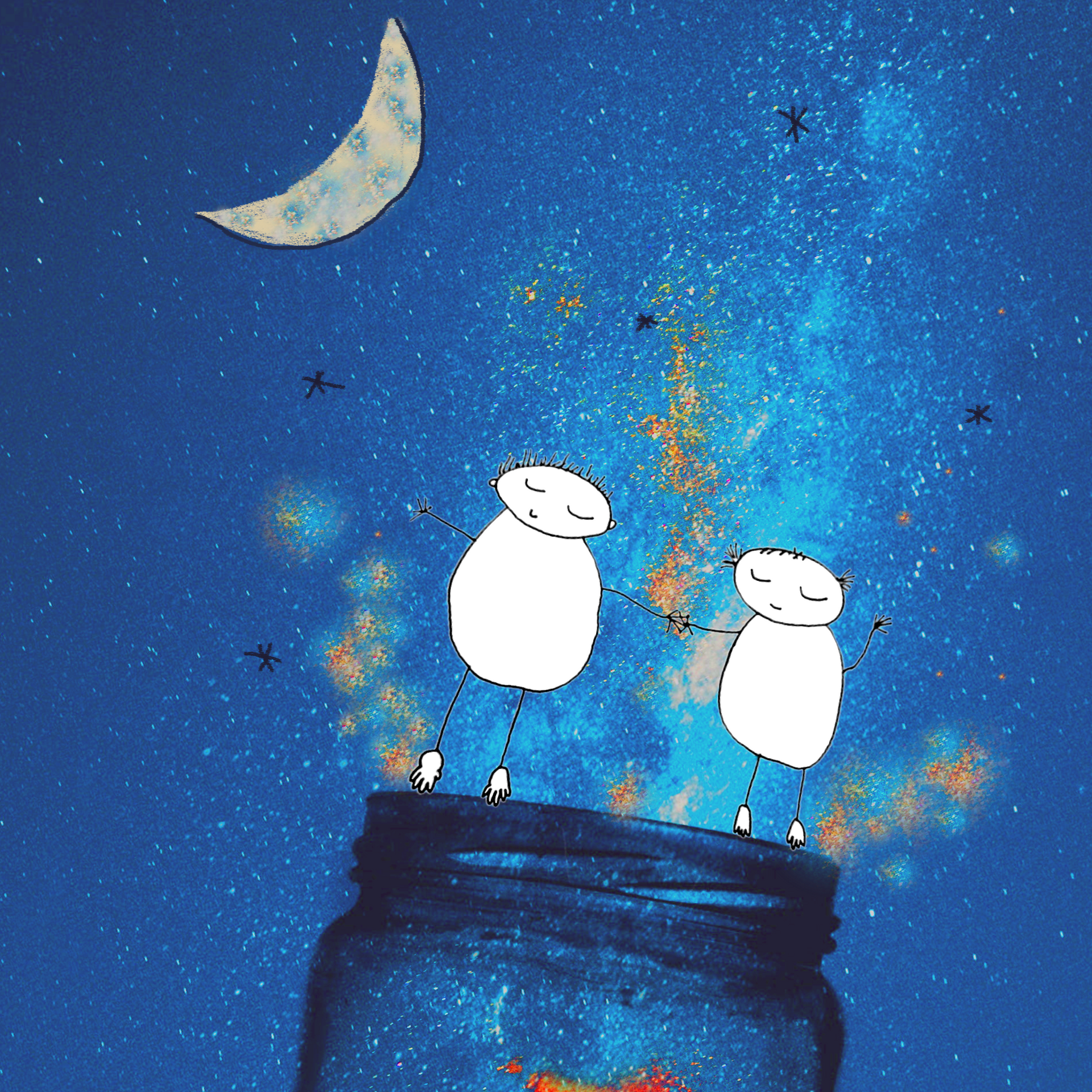
Bed, what a heavenly place! But really should only be entered when tired. It should be a no screens area, a sanctuary for us when we are ready to sleep or read. We shouldn’t hang out in bed watching programs or checking social media as “blue screens” really affect how our brains work, and do not make us feel restful and relaxed, but alert and active.

Be reassured by having an alarm set if you need one, so you don’t need to check the time during the night.

Having an air vent or window open, fresh air and a cooler temperature will improve your sleep quality.

If your head starts to swirl with thoughts, jot them on a piece of paper, knowing you can deal with them tomorrow. I like to go to sleep after writing down tomorrows to-do list, what I have achieved today, and writing down anything I feel grateful for. This routine gets my head in a happy but empty place ready for oblivion.

Give yourself between 6 and 9 hours to sleep, adults all need around this amount to function. Any more or less can really start to alter how we feel in our daily lives.


It is also important to try and wake up at the same time every day. While it may seem like a good idea to try to catch up on sleep after a bad night, doing so on a regular basis can also disrupt your sleep routine. It is better to take small cat naps of 20 mins during the day, if your sleep is disturbed and you feel exhausted.

If you wake in the night and can’t go back to sleep, get up, make a drink, read a book. Don’t lie there worrying about not sleeping. Insomnia can become quite obsessive. As we lie there panicking about missing sleep, we are adding to the problem and creating more stress. It is always better to distract your head with a different activity (that doesn’t have a screen) and allow ourselves to become sleepy again.

We sleep in cycles during the night, experiencing rest sleep and dream (REM) sleep. Some of the sleep we have is deep, and some is more shallow. It isn’t a disaster if we wake up and go back to sleep as the quality of sleep is varied anyway.

Dream sleep is important for our brains, as we use REM sleep to process the actions of our day. It is when we decide what has been important to store in our libraries, and what we can throw away. If we have too much going on in our lives we have too much to process in one night. Our brains feel overloaded and can wake us (usually around 4am for me!). This is a sign that we have too much stress in our lives, and need to find ways to reduce our anxieties. Our bodies can feel encouraged to sleep too much to empty our stress using dreams, but this will leave us feeling exhausted, and wanting to sleep even more. This is why it is important to stick to 7-9 hours  of sleep a night.

If your head is full of noise at bedtime, try listening to a calming meditation, or some tranquil sounds like rain or the ocean. Choosing what we think about is an important factor of how stressful our lives can become. Making a choice not to dwell on the thoughts that are still churning round is a great way to train our brains to be quieter. Choosing our thoughts is empowering and a deeply effective way of improving our mental well being.


by Fleur Dash 3 December 2025
As the holiday season approaches, many of us feel a mix of excitement and…pressure. Between preparing gatherings, managing family expectations, finding the “right” gifts, and juggling everyday responsibilities, the weeks leading up to Christmas can easily become overwhelming. But it doesn’t have to be this way. With intention, compassion, and a focus on gratitude, you can transform this season from stressful to meaningful. Below are simple, grounding ways to overcome pre-Christmas stress—while nurturing your well-being and reconnecting with what truly matters. 1. Slow Down—On Purpose The busiest weeks of the year often demand our full attention, but it’s also when we most need to pause. Even a few minutes of intentional slowing down can calm your mind and reset your nervous system. Try: A 5-minute breathing exercise in the morning A short walk without your phone A quiet cup of tea with no multitasking These small moments of stillness create space for clarity and kindness—toward yourself and others. 2. Redefine What “Enough” Means Holiday stress often comes from unrealistic expectations: the perfect meal, perfectly wrapped gifts, perfectly decorated homes. But perfection is not what people remember—connection is. Ask yourself: What truly matters to me this season? What can I simplify? Where can I give myself permission to do less? Choosing “good enough” over “perfect” is an act of self-care. 3. Center Your Days Around Gratitude Gratitude shifts your attention from what’s missing or overwhelming to what is steady, supportive, and meaningful. Try starting (or ending) each day with three simple gratitude prompts: Something about today that made me smile A person I appreciate Something about myself I’m grateful for This practice softens stress and strengthens your sense of abundance, even during hectic times. 4. Protect Your Energy You don’t need to attend every event or fulfill every request. You’re allowed to say no with love. Protecting your energy makes space for the moments that matter most. Think of your energy as a candle—burn it too quickly, and you dim before Christmas even arrives. Tend to it gently. Let it shine steadily. 5. Create a Well-Being Ritual Rituals ground us. Choose a small, soothing habit that you repeat daily or weekly throughout the season: Lighting a candle in the evening Listening to calming music Journaling for five minutes Decluttering one small area Practicing a short gratitude meditation A ritual gives your mind something steady to come back to in moments of overwhelm. 6. Embrace Imperfect Joy Holiday magic isn’t found in flawless decor or a perfectly orchestrated schedule. It’s in the imperfect, real moments—laughing with others, sharing a simple meal, watching old movies, exchanging small acts of kindness. Let yourself enjoy the season as it unfolds, not as you planned it. 7. Give Yourself the Gift of Compassion You may not get everything done. You may forget something. You may have a messy kitchen or a chaotic calendar. That’s okay. Speak to yourself the way you would to a friend who feels stressed: “You’re doing your best. You’re allowed to rest. You are enough.” Compassion is one of the most powerful tools for well-being. 8. Let Gratitude Guide Your Celebrations When you approach the season with gratitude—gratitude for the people you love, for the experiences you share, for the strength you’ve shown this year—everything feels lighter. Gratitude softens stress. It reframes expectations. It connects you to the heart of the holidays. Let it be the thread that guides your celebrations this year. Pre-Christmas stress is common, but it doesn’t have to define your season. By slowing down, practicing gratitude, and nurturing your well-being, you can create a holiday experience that feels peaceful, grounded, and genuinely joyful. You deserve a season filled not with pressure, but with presence.
by Fleur Dash 30 October 2025
When you’re met with criticism or judgment, it can be deeply challenging not to take it personally. Words can carry energy, and when that energy feels heavy or cutting, it’s natural to want to defend yourself, explain, or internalise the sting. But it helps to remember that not every opinion or reaction deserves a place within you. Not everything that comes your way is meant for you to hold. Some feedback can be useful—it can help you see blind spots, strengthen your character, or guide your personal growth. Constructive insight, even when uncomfortable, often comes from a place of care or truth. But other comments may be rooted in someone else’s pain, insecurity, or misunderstanding. When people speak from their own unhealed places, their words often reflect more about where they are than who you are. In those moments, I like to visualise a soft, protective bubble surrounding me. It’s light and gentle, not a wall of resistance, but a boundary of awareness. Through this bubble, I allow in anything that feels aligned, supportive, or constructive—lessons that can help me grow. But anything that feels unkind, personal, or unnecessary simply bounces back, dissolving before it can touch me. This isn’t about ignoring others or pretending their words don’t matter; it’s about choosing what deserves space in your heart and what does not. You always have that choice—the choice to absorb what serves you and release what doesn’t. Protecting your peace doesn’t mean closing yourself off from the world; it means staying open with discernment. It’s learning to listen without losing yourself. It’s giving yourself permission to stay soft, even in a world that can sometimes feel sharp. When you honor that boundary, you begin to move through life with more calm and confidence. You trust your inner compass more than the noise around you. And over time, you’ll find that protecting your peace isn’t an act of self-defense—it’s an act of deep self-respect.
by Fleur Dash 13 August 2025
This is a subtitle for your new post