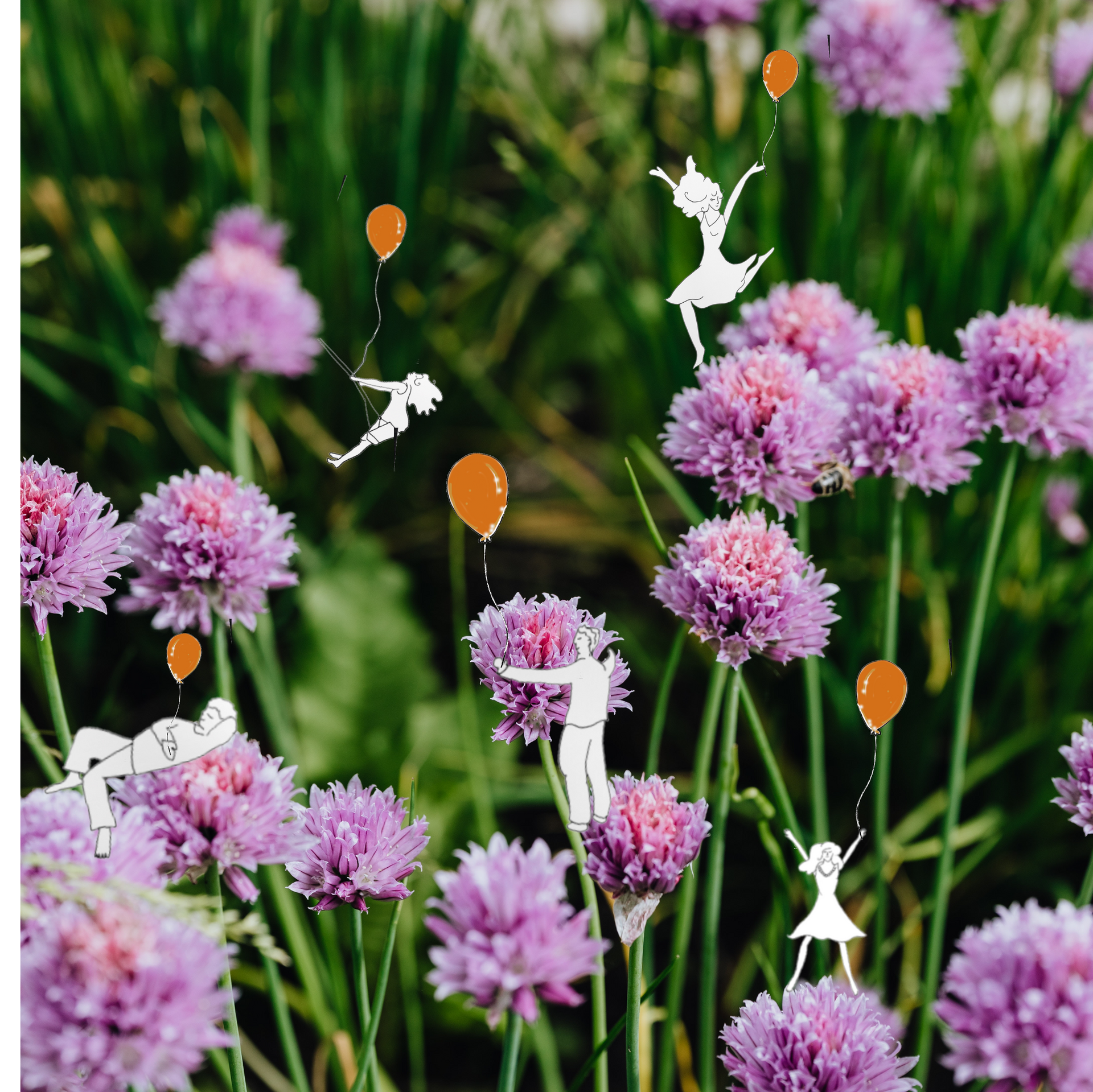
That Weekend Feeling!

Fleur Dash • 23 March 2023

Thank crunchie it's nearly Friday! 

For most of us, this means a whole weekend away from the work routine. Being able to relax, no alarms dictating when we get out of bed, and choosing how we spend our moments, doing what feels good. Whether connecting with friends or family, being restful or productive, having the freedom to be spontaneous and just to be on our own time clock. 

Why does this time “off” feel so golden? It basically comes down to routine. When we are in work mode, our brains become very streamlined so they can achieve more. Routine engages automatic pilot mode which aids productivity. We go through the motions when in “work mode”, get out of bed, clean teeth, put on work clothes. These activities are hardly even noticed as they are so embedded into our daily lives. Travel to work, sit in your office, make a coffee, read emails, again, unless something is unusual, these moments are easily forgotten. Chat to colleagues, clients or customers, with routine conversations of “How are you?” “Fine thanks, you?” “Doing anything nice on the weekend?”

No wonder work feels DULL!!! Of course we can’t wait for the weekend! Our brains are so firmly in automatic pilot mode that we barely notice or remember a thing. 

My suggestion to you is to get off the grey conveyor belt of work. Shake it up, just a little. Make every day more interesting by doing things in a different order, alter your routine a touch. Take a different journey to work, use a different mug for your coffee. Consciously look through a different lens as you approach each task. Try putting your left shoe on before your right and swap the following day. Being aware of our bodies actions for each mundane task encourages mindfulness and pulls us into each present moment. Give each of your senses  a chance to digest by taking an extra millisecond to breathe. Allow yourself to be on a Sensation Scavenger Hunt. Waking up each routine activity by really experiencing it by being in the actual moment. 

It’s ok if the feeling of mixing it up is a little uncomfortable, this is because our survival instincts like everything to stay exactly the same. When everything is completely consistent, we do not challenge our comfort zones but we can create a claustrophobic safety net. We have two distinct parts of the brain that we use everyday; the intellectual brain, and the primitive brain. The primitive part of the brain’s job is solely used for protection, and it believes that the dangers around us might still be lions, tigers and bears. This is because it hasn’t evolved since it was created to survive the cavemen era, and thank goodness it was there as without it we wouldn’t be here right now. This part of the brain is not creative or intelligent. It is not concerned about feelings of happiness, fulfilment or joy, so to find contentment in each of our lives we must push the boundaries set by exploring the edges of our comfort zones and allow our intellectual brains the chance to sit in the control seat.

Ideas for your Sensation Scavenger Hunt

How many yellow things can you see on your way to work?.

How many smiles can you witness in an hour of interaction?

How many breaths does it take for the kettle to boil?

How does it feel to alter the order of getting dressed?

How many birdsongs can you hear as you stand outside?

What order do you taste each mouthful of lunch?

What is the nicest smell you can discover today?

How does it feel to touch the floor as you wiggle your toes against it?

How alive do you feel after splashing cold water on your face?


by Fleur Dash 3 December 2025
As the holiday season approaches, many of us feel a mix of excitement and…pressure. Between preparing gatherings, managing family expectations, finding the “right” gifts, and juggling everyday responsibilities, the weeks leading up to Christmas can easily become overwhelming. But it doesn’t have to be this way. With intention, compassion, and a focus on gratitude, you can transform this season from stressful to meaningful. Below are simple, grounding ways to overcome pre-Christmas stress—while nurturing your well-being and reconnecting with what truly matters. 1. Slow Down—On Purpose The busiest weeks of the year often demand our full attention, but it’s also when we most need to pause. Even a few minutes of intentional slowing down can calm your mind and reset your nervous system. Try: A 5-minute breathing exercise in the morning A short walk without your phone A quiet cup of tea with no multitasking These small moments of stillness create space for clarity and kindness—toward yourself and others. 2. Redefine What “Enough” Means Holiday stress often comes from unrealistic expectations: the perfect meal, perfectly wrapped gifts, perfectly decorated homes. But perfection is not what people remember—connection is. Ask yourself: What truly matters to me this season? What can I simplify? Where can I give myself permission to do less? Choosing “good enough” over “perfect” is an act of self-care. 3. Center Your Days Around Gratitude Gratitude shifts your attention from what’s missing or overwhelming to what is steady, supportive, and meaningful. Try starting (or ending) each day with three simple gratitude prompts: Something about today that made me smile A person I appreciate Something about myself I’m grateful for This practice softens stress and strengthens your sense of abundance, even during hectic times. 4. Protect Your Energy You don’t need to attend every event or fulfill every request. You’re allowed to say no with love. Protecting your energy makes space for the moments that matter most. Think of your energy as a candle—burn it too quickly, and you dim before Christmas even arrives. Tend to it gently. Let it shine steadily. 5. Create a Well-Being Ritual Rituals ground us. Choose a small, soothing habit that you repeat daily or weekly throughout the season: Lighting a candle in the evening Listening to calming music Journaling for five minutes Decluttering one small area Practicing a short gratitude meditation A ritual gives your mind something steady to come back to in moments of overwhelm. 6. Embrace Imperfect Joy Holiday magic isn’t found in flawless decor or a perfectly orchestrated schedule. It’s in the imperfect, real moments—laughing with others, sharing a simple meal, watching old movies, exchanging small acts of kindness. Let yourself enjoy the season as it unfolds, not as you planned it. 7. Give Yourself the Gift of Compassion You may not get everything done. You may forget something. You may have a messy kitchen or a chaotic calendar. That’s okay. Speak to yourself the way you would to a friend who feels stressed: “You’re doing your best. You’re allowed to rest. You are enough.” Compassion is one of the most powerful tools for well-being. 8. Let Gratitude Guide Your Celebrations When you approach the season with gratitude—gratitude for the people you love, for the experiences you share, for the strength you’ve shown this year—everything feels lighter. Gratitude softens stress. It reframes expectations. It connects you to the heart of the holidays. Let it be the thread that guides your celebrations this year. Pre-Christmas stress is common, but it doesn’t have to define your season. By slowing down, practicing gratitude, and nurturing your well-being, you can create a holiday experience that feels peaceful, grounded, and genuinely joyful. You deserve a season filled not with pressure, but with presence.
by Fleur Dash 30 October 2025
When you’re met with criticism or judgment, it can be deeply challenging not to take it personally. Words can carry energy, and when that energy feels heavy or cutting, it’s natural to want to defend yourself, explain, or internalise the sting. But it helps to remember that not every opinion or reaction deserves a place within you. Not everything that comes your way is meant for you to hold. Some feedback can be useful—it can help you see blind spots, strengthen your character, or guide your personal growth. Constructive insight, even when uncomfortable, often comes from a place of care or truth. But other comments may be rooted in someone else’s pain, insecurity, or misunderstanding. When people speak from their own unhealed places, their words often reflect more about where they are than who you are. In those moments, I like to visualise a soft, protective bubble surrounding me. It’s light and gentle, not a wall of resistance, but a boundary of awareness. Through this bubble, I allow in anything that feels aligned, supportive, or constructive—lessons that can help me grow. But anything that feels unkind, personal, or unnecessary simply bounces back, dissolving before it can touch me. This isn’t about ignoring others or pretending their words don’t matter; it’s about choosing what deserves space in your heart and what does not. You always have that choice—the choice to absorb what serves you and release what doesn’t. Protecting your peace doesn’t mean closing yourself off from the world; it means staying open with discernment. It’s learning to listen without losing yourself. It’s giving yourself permission to stay soft, even in a world that can sometimes feel sharp. When you honor that boundary, you begin to move through life with more calm and confidence. You trust your inner compass more than the noise around you. And over time, you’ll find that protecting your peace isn’t an act of self-defense—it’s an act of deep self-respect.
by Fleur Dash 13 August 2025
This is a subtitle for your new post